
← Blog · 2026-06-30
Recovery for cyclists between hard training blocks
Good cycling recovery is not only rest. It is restoring motion, managing load, and keeping the body ready for the next hard block.
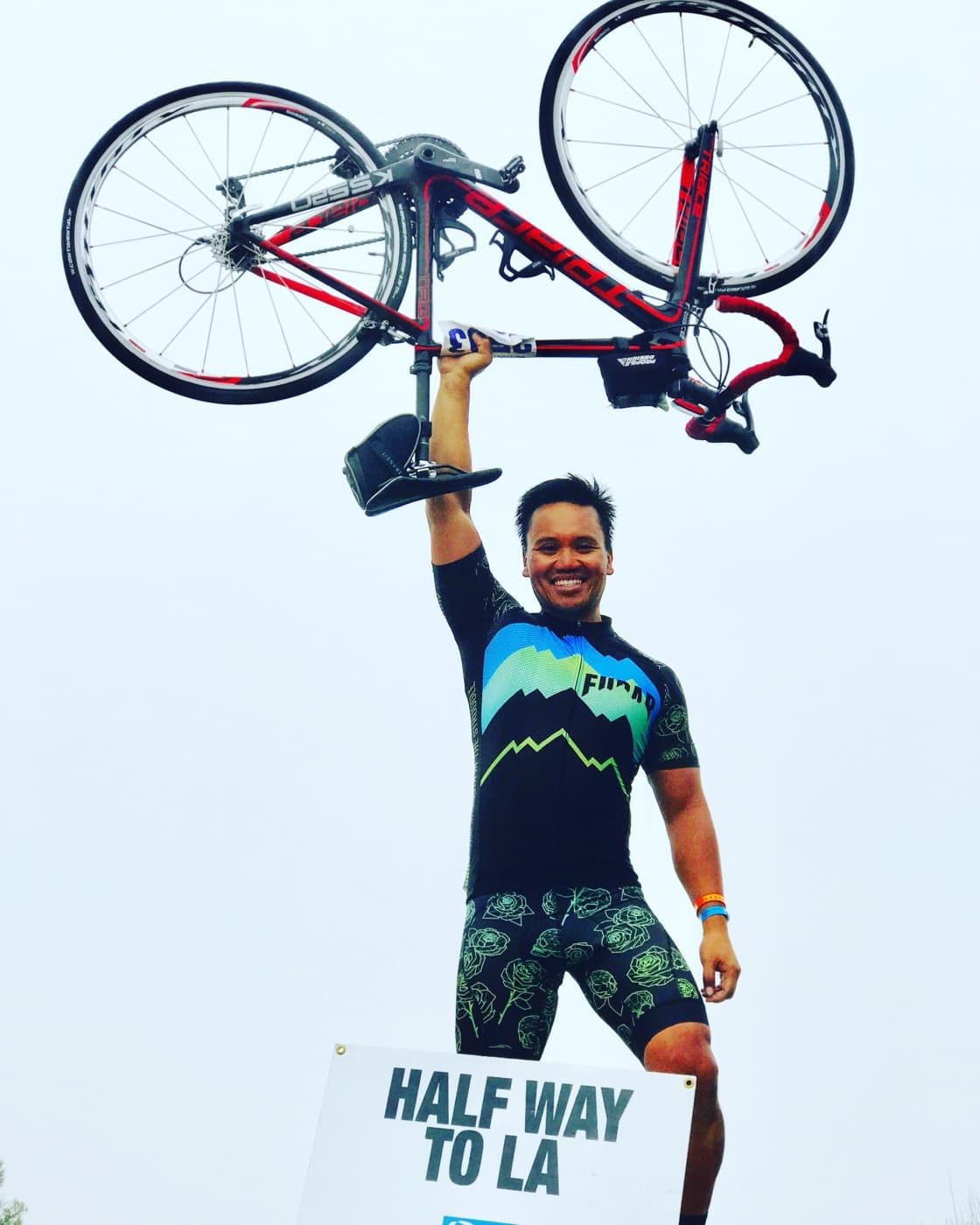
Cyclists are good at accumulating work. They are not always as good at noticing what the body is losing while the work adds up.
Between hard training blocks, the goal is not to do nothing. The goal is to recover in a way that leaves the next block available to you.
Start with position, not just fatigue
Hours on the bike ask a lot from the same postures and angles:
- sustained hip flexion
- repeated trunk endurance
- neck and upper-back position under load
- constant lower-body repetition without much variation
If those patterns get stale, the body can start feeling flat even when motivation is high. Recovery needs to include restoring motion and position, not only reducing soreness.
Load management still matters off the bike
Cyclists often forget that strength work, life stress, poor sleep, and extra riding all count toward the same system.
The recovery week goes wrong when the formal ride plan gets lighter but everything else quietly stays heavy. That is how "recovery" turns into background fatigue with a nicer name.
Mobility only helps if it changes something useful
There is nothing magical about a long recovery routine.
What matters is whether the work restores cleaner movement for the next ride. For one athlete that may mean hip rotation. For another it may mean upper-back mobility and rib movement. For someone else it may mean getting trunk control back so the lower back does not keep overworking on longer efforts.
The useful question is always: what position or motion is fading under accumulated training?
Hands-on work can help when the body feels stuck
Cyclists often describe phases where they are not injured exactly, but everything feels compressed or restricted.
That is where skilled hands-on work can be useful. Not because it replaces training, but because it can help reset motion and reduce the friction that makes the next training block feel heavier than it should.
The value shows up when that work is connected to a movement plan, not treated like a standalone reset button.
Recovery should point forward
The best recovery week leaves you with:
- better motion than you had at the end of the last block
- clearer energy
- fewer stubborn compensation patterns
- a cleaner path into the next progression
That is why performance-minded recovery matters. It is not passive. It is part of how the next block succeeds.
Cyclists who want that kind of support usually do better with a care model that understands both movement and training. That is part of QiroFit's lane. If that sounds useful, review services or contact.
This is general performance education, not personalized medical advice. Specific care decisions require a clinical encounter with a licensed practitioner.