← Blog · 2026-07-02
Why manual therapy and strength work belong together
Hands-on care can open a window. Strength work helps you keep it. Good rehab usually needs both.
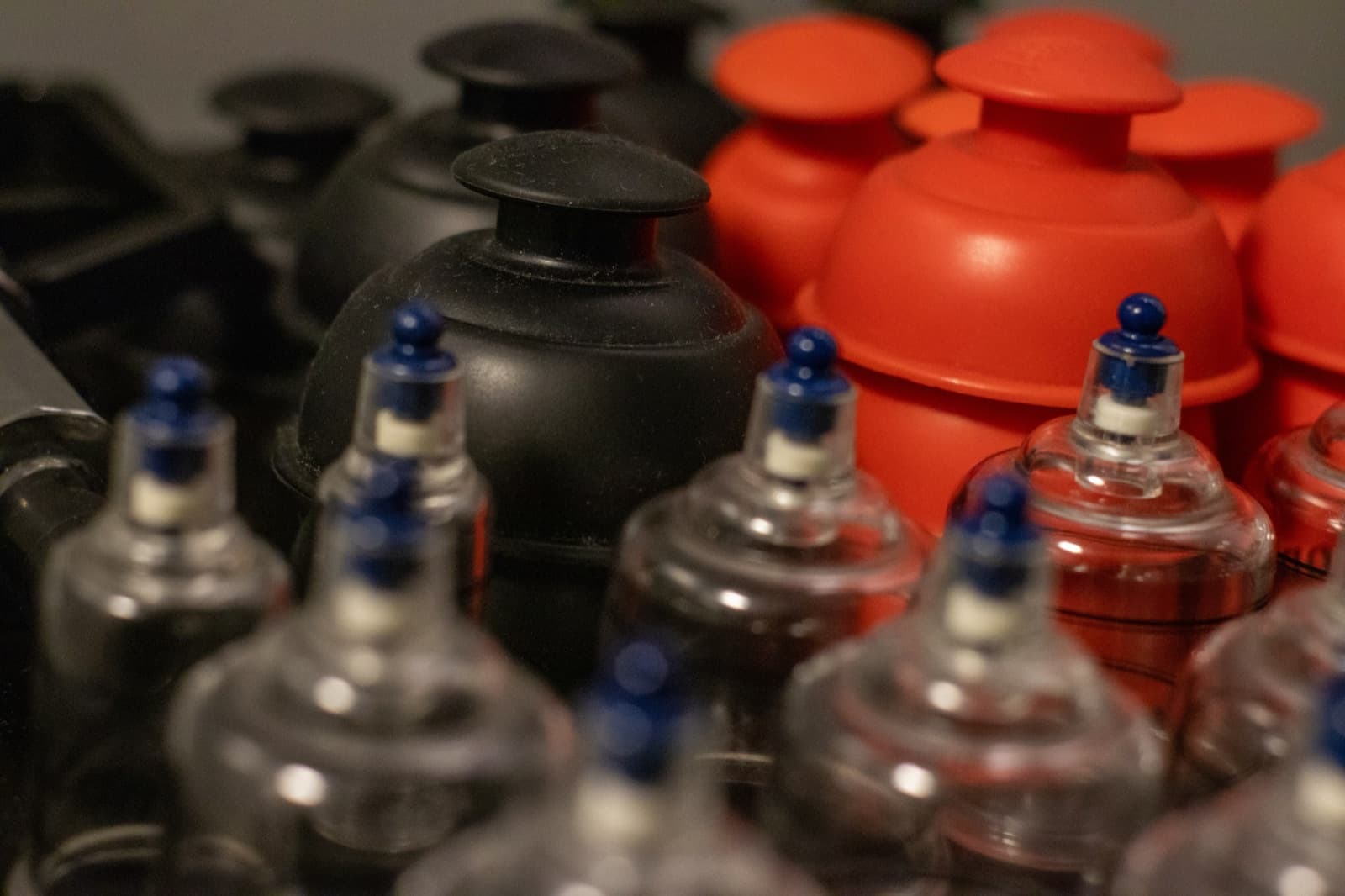
Some people want hands-on care only. Others want exercise only. In practice, many active adults get the best results when those two worlds actually talk to each other.
Manual therapy and strength work do different jobs.
Manual work can create the opening
When the body feels restricted, guarded, or hard to position well, hands-on care can help reduce the friction.
That may mean improving motion, calming an irritated area, or making it easier to get into the positions your rehab work actually needs. For athletes, that can be a big deal. It is hard to build clean patterns on top of a body that still feels mechanically stuck.
Strength work helps hold the change
The opening is useful, but it is not the finish line.
If the body cannot control the new range or absorb load well, it usually drifts back to the old strategy. That is where strength work matters. It teaches the system what to do with the mobility, not just that mobility exists.
This is especially important when the issue shows up under real training demand instead of casual daily activity.
One without the other can stall out
Hands-on care by itself can leave people feeling better but not stronger.
Exercise by itself can stall when the body still cannot access the positions the exercise is asking for. That is why the combination often works better than either tool treated as a religion.
Good rehab tends to move in both directions:
- clear what is limiting motion
- build what is missing under load
The athlete's version of progress
For active adults, progress is not only "I feel looser."
Progress is:
- the run feels cleaner
- the lift loads more evenly
- the ride position feels sustainable again
- the next week of training does not recreate the same problem
That kind of progress usually needs both a reset and a rebuild.
Why this matters at QiroFit
QiroFit's brand is built around physician-directed athletic rehab and performance care, not passive maintenance. That means the work should move beyond symptom relief and into better capacity.
Manual therapy has a role in that. Strength and corrective exercise have a role too. The point is not choosing sides. The point is helping the body move and perform better over time.
If you are looking for a care model that blends both, start with services or about.
Consult a licensed practitioner before starting any new training or rehab program. This article is general performance education, not individualized medical advice.