
← Blog · 2026-06-11
Sports chiropractor vs physical therapist for runners
For runners, the better question is not chiropractor or PT in the abstract. It is who can assess load, motion, and rebuild strategy well.
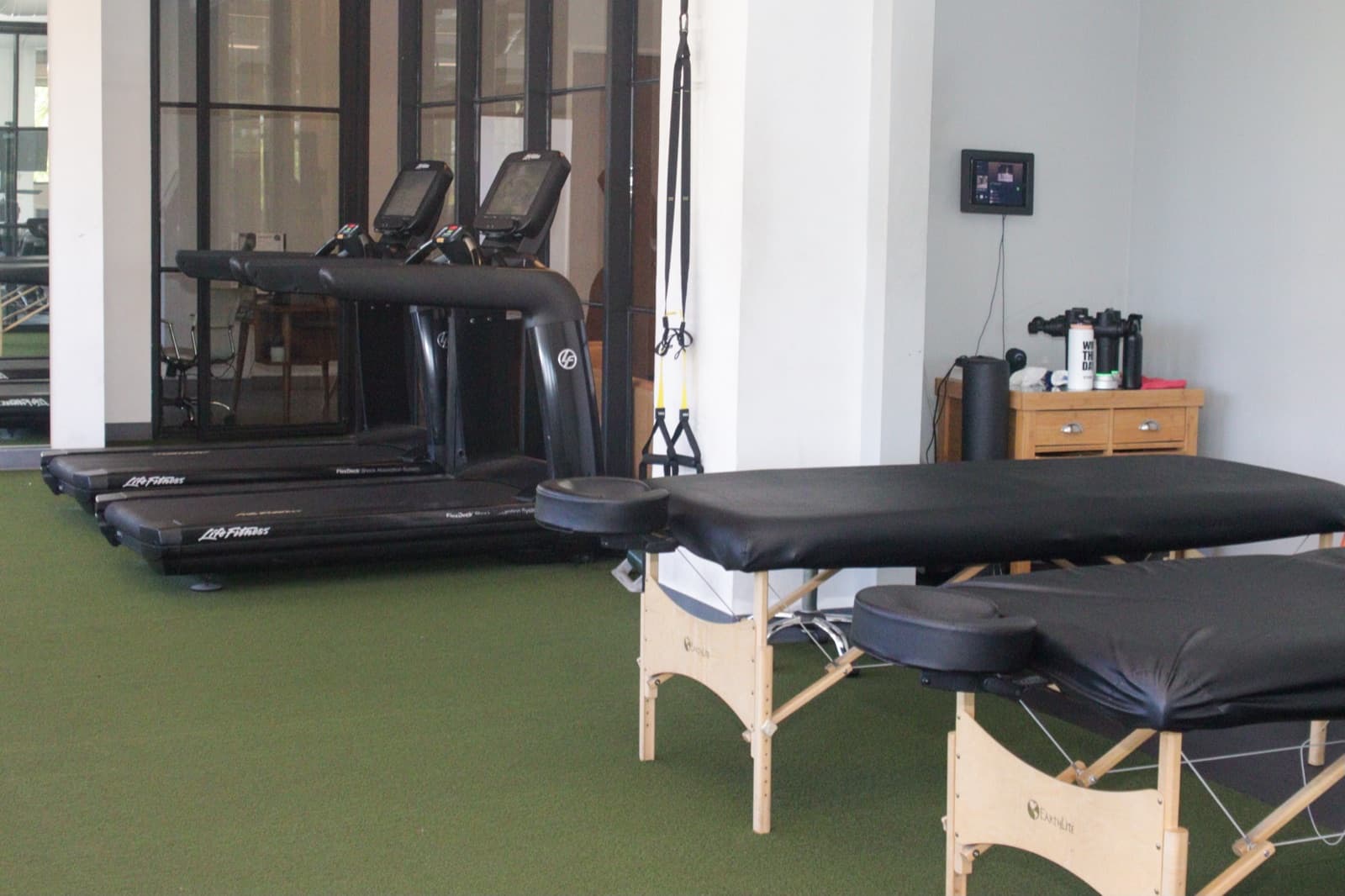
Runners ask this all the time: should I book a sports chiropractor or a physical therapist?
The honest answer is that the labels overlap more than people think. Both can help you move better, reduce irritation, and build a smarter return to running plan. The bigger question is whether the provider can connect the symptom to the way you train.
Where the distinction usually shows up
A sports chiropractor often brings a strong manual-therapy and joint-motion lens. That can be helpful when your stride feels blocked, your low back keeps tightening, your hip stops extending well, or rotation feels limited and every run starts compensating around it.
A physical therapist often brings a strong exercise-progressions and rehab-program lens. That can be helpful when the biggest issue is rebuilding tolerance, strength, single-leg control, or load management after a layoff.
In real life, a strong sports rehab provider may do both well.
What runners actually need
Most runners do not need ideology. They need a plan.
You need someone who can answer questions like:
- Is this training load too aggressive for where my body is right now?
- Am I losing motion somewhere that is forcing another area to work harder?
- What should change this week in mileage, speed, hills, or lifting?
- What should I build before I chase pace again?
If the provider cannot talk about training exposure, movement quality, and progression, the title on the door matters less than people hope.
Good care usually has both pieces
Runners do well when hands-on work and exercise logic live in the same conversation.
Manual work can help open up motion, calm a stubborn area, or make a stride feel cleaner. Exercise and loading work help keep that change from disappearing as soon as the next hard run shows up.
That is why many active adults choose a practice that can combine both worlds instead of sending them into separate silos.
How to decide which appointment to book
Book a sports chiropractor first when:
- your stride feels restricted or mechanically off
- you keep describing the same area as tight, jammed, or blocked
- you want movement assessment plus hands-on care in the same visit
Book a rehab-heavy PT lane first when:
- the main problem is rebuilding after time off
- you already know the symptom calms down but your capacity is still low
- you need a longer progression back to running volume
If a practice can handle both the movement problem and the progression problem, that is usually the most efficient setup.
The runner's real goal
The goal is not winning the debate. The goal is running well again without guessing your way through every flare.
For most runners, the best provider is the one who can evaluate movement, use hands-on care when it helps, and keep the plan pointed toward durable training rather than endless maintenance.
QiroFit's model leans into that blend: movement assessment, manual therapy, and strength-minded rehab logic under one roof. If that is the kind of care you are looking for, start with services or contact.
This is general performance education, not personalized medical advice. Specific care decisions require a clinical encounter with a licensed practitioner.