
← Blog · 2026-11-19
Chiropractor for Desk Workers in Los Angeles: Sitting Load
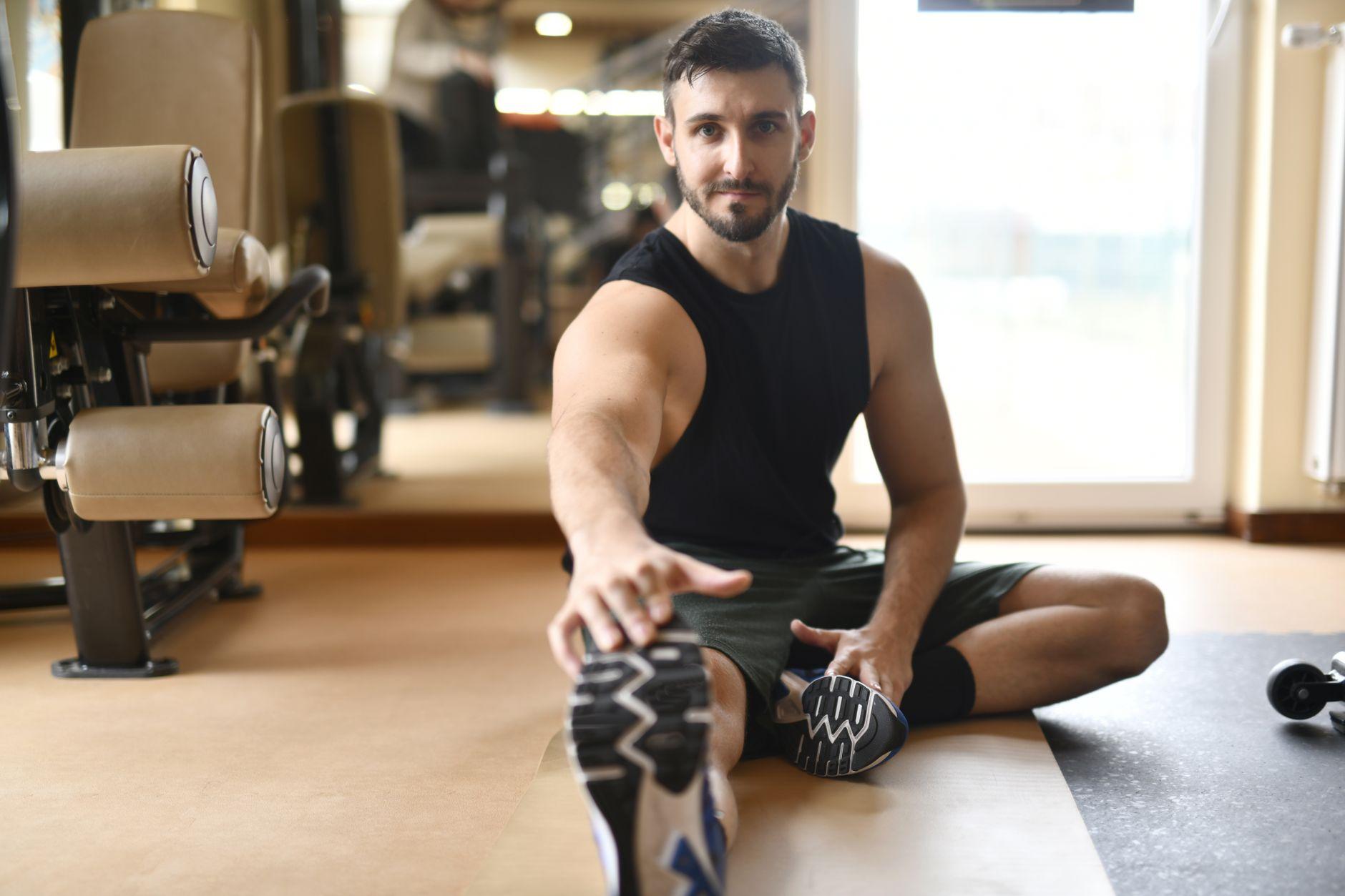
Desk work does not cause the same injuries as sprinting or barbell training, but it creates its own pattern of load. Hours in a fixed position change how the spine, hips, and shoulders tolerate movement when you finally do train, lift, or run after work. As a chiropractor for desk workers in Los Angeles, I see a consistent presentation: tight hip flexors, a stiff thoracic spine, rounded shoulders, and a lower back that reacts poorly to sudden loading after eight hours of stillness. This is not a condition with a single remedy. It is a load management problem, and it responds to the same clinical process we use with athletes: assessment, manual therapy where indicated, and a progressive loading plan that accounts for how someone actually spends their day.
What Prolonged Sitting Does to Spinal Mechanics
Sitting for six to ten hours a day shortens the hip flexors and changes the resting length of the posterior chain. The lumbar spine loses some of its normal lordotic curve when the pelvis tips posteriorly in a chair, and the thoracic spine rounds forward to accommodate a keyboard and monitor. None of this is dramatic on its own. The problem shows up when someone leaves the office and goes straight into a run, a lift, or a weekend hike without any transition. A hip flexor that has been shortened all day does not suddenly lengthen because you changed clothes. A thoracic spine that has been flexed for hours does not rotate freely the moment you pick up a kettlebell.
On examination, I am looking at hip extension range of motion, thoracic rotation, and how the lumbar spine responds to flexion and extension under light load. Deficits in any of these areas change how force moves through the body during exercise, often shifting stress toward the lower back or shoulders. This is a mechanical pattern, not a diagnosis anyone should try to self-manage indefinitely through stretching apps or posture reminders alone.
Why Desk-Specific Assessment Differs From a General Intake
A desk worker's functional assessment has to account for a schedule, not just a symptom. I ask about monitor height, chair setup, how often someone stands, and what their actual movement looks like between meetings, because these details change what I prioritize in a treatment plan. Someone who sits in back-to-back video calls with a laptop propped on a stack of books has a different loading pattern than someone with a standing desk they rarely raise.
The assessment also looks at what happens after work. A desk worker who trains at 6 p.m. after nine hours seated needs a different warm-up strategy than someone who trains at 6 a.m. before sitting all day. Spinal manipulation and manual therapy can address restricted segments and reduce mechanical irritation, but they are one part of a larger plan that has to include specific hip and thoracic mobility work matched to the hours actually spent in a chair, not a generic set of office stretches handed out without context.
Building a Loading Plan Around an Eight-Hour Workday
Once the assessment identifies which joints and tissues are restricted, the plan has to fit into a real schedule, which usually means short, frequent interventions rather than long isolated sessions. A few minutes of hip flexor and thoracic mobility work at a midday break does more for someone's evening training session than a single weekly appointment, though the in-office work still matters for addressing restrictions that home exercise alone will not resolve.
Progressive loading applies here the same way it applies to runners or lifters: if hip extension and thoracic rotation are limited, I do not clear someone to jump into high-intensity training without first restoring a baseline range of motion, because that is where desk workers tend to get hurt — not during the workday itself, but in the gym or on the trail immediately afterward. The plan typically includes manual therapy to address restricted segments, home mobility work scheduled around the actual workday, and a gradual return to the training intensity someone wants, rather than assuming the body can switch instantly from stillness to exertion.